 01
01
SHRUB · HERBAL
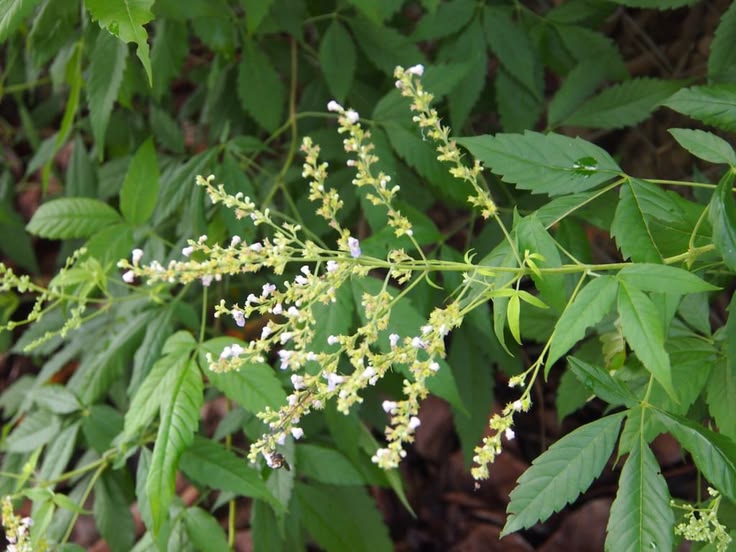
Lagundi
Vitex negundo
A flowering shrub native to parts of Asia and widely recognized in Philippine traditional herbal practices.
PHILIPPINE BOTANICAL ENCYCLOPEDIA
Discover the plants that have been part of Philippine traditional knowledge for generations.
Explore the plants ↓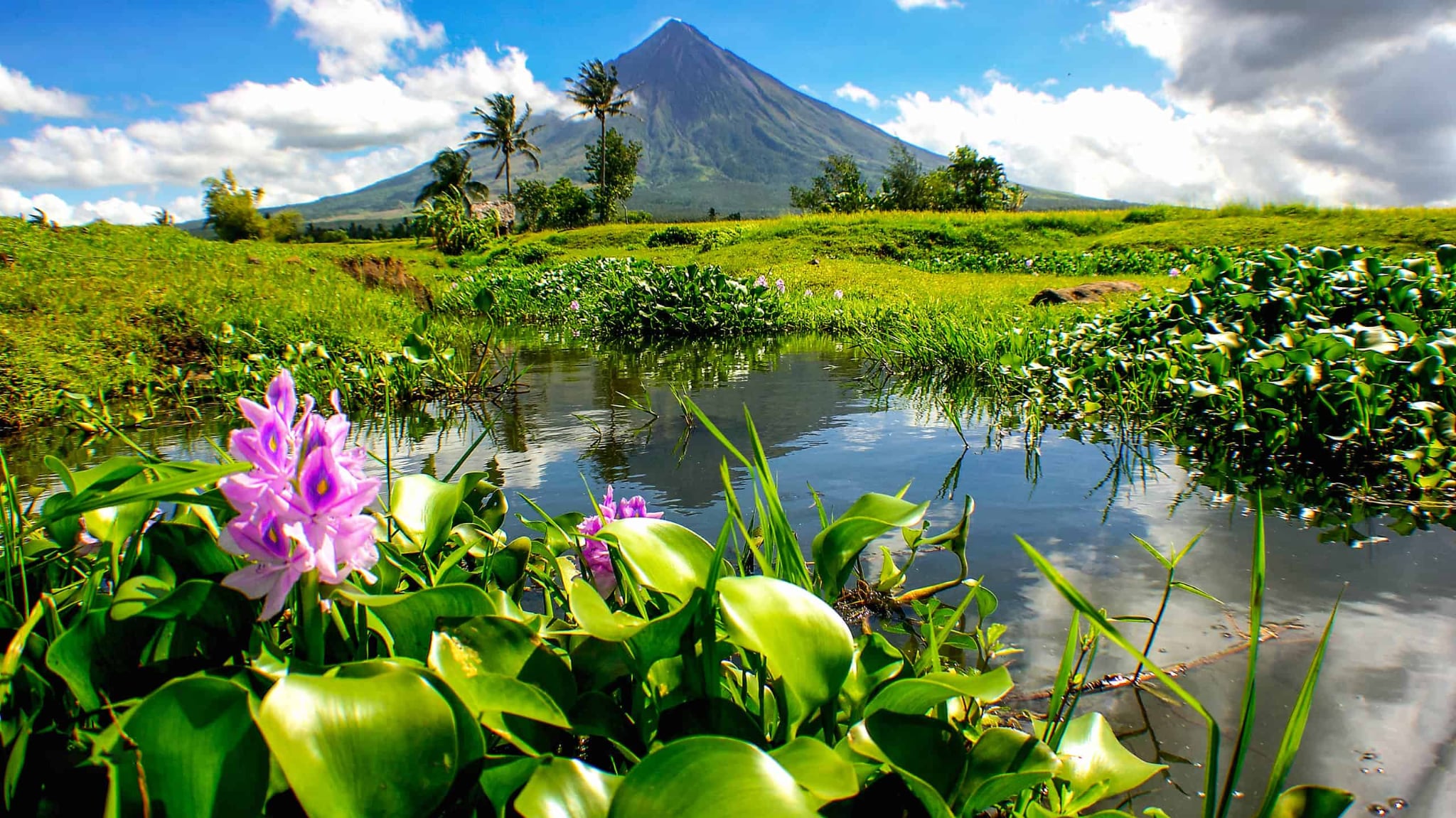
Philippine Flora
WHY GREENLIFE?
The Philippines is home to a rich variety of plants that have long been recognized in local traditions.
GreenLife presents this knowledge through a modern, accessible digital encyclopedia designed for students and curious learners.
02 — THE COLLECTION
A curated collection of commonly recognized Philippine medicinal and traditional plants.
01
SHRUB · HERBAL
Vitex negundo
A flowering shrub native to parts of Asia and widely recognized in Philippine traditional herbal practices.
 02
02
HERBAL
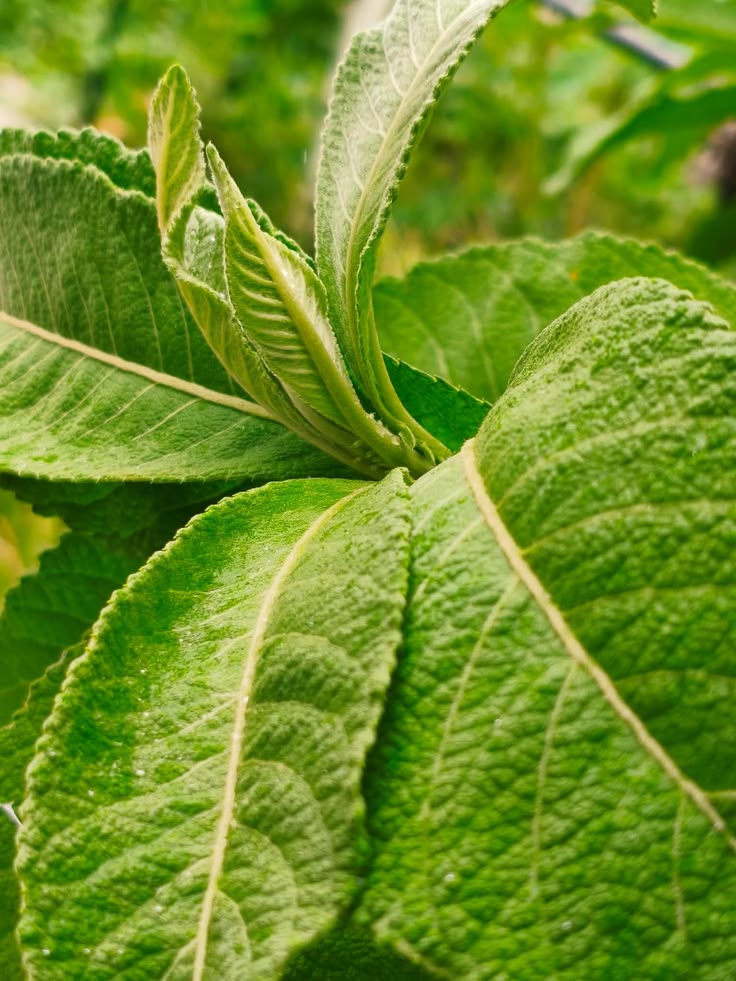
Blumea balsamifera
A fragrant herb traditionally recognized in Filipino herbal practices.
 - decoction of the leaves (1).jpg) 03
03
HERBAL
Senna alata
A flowering plant known for its presence in traditional herbal preparations.
 04
04
VEGETABLE
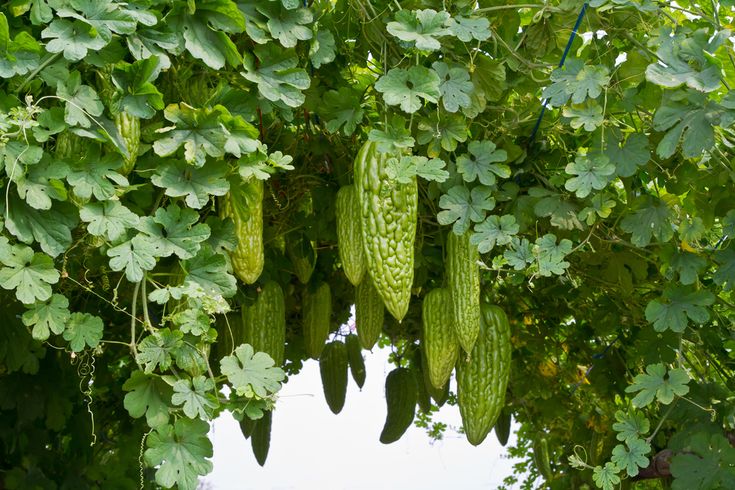
Momordica charantia
A climbing plant widely cultivated as a vegetable in the Philippines.
 05
05
TREE
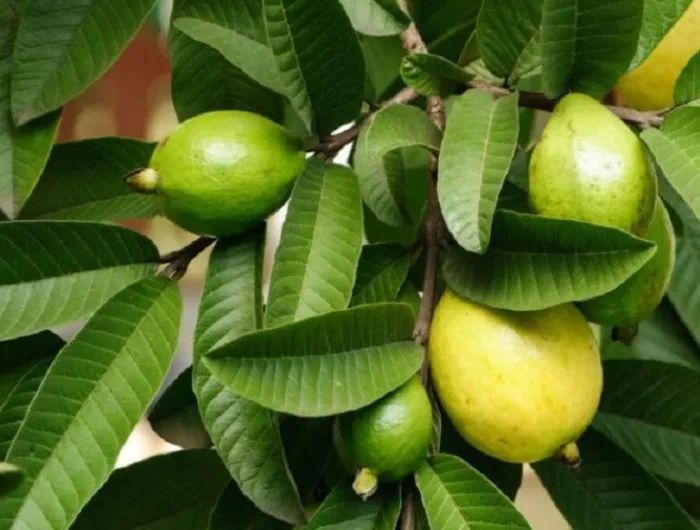
Psidium guajava
A tropical fruit tree whose leaves have a long history of traditional use.
 06
06
HERB
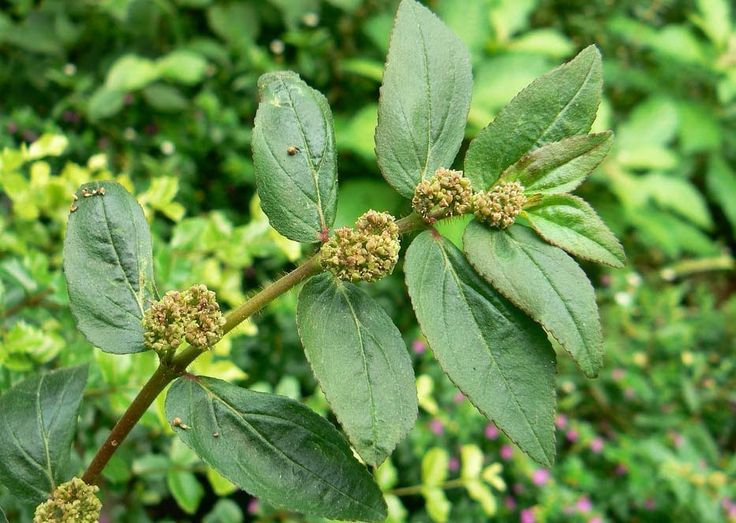
Euphorbia hirta
A small herb commonly found growing in tropical environments.
 07
07
HERB
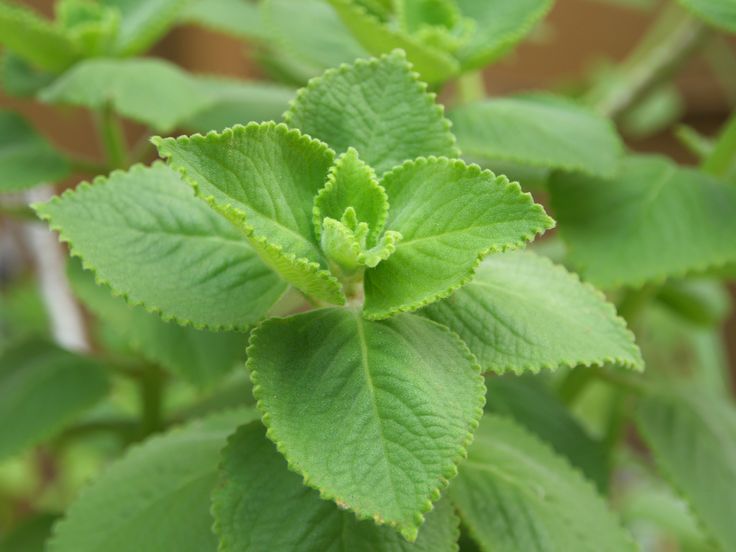
Origanum vulgare
An aromatic herb commonly grown in Filipino households.
 08
08
RHIZOME
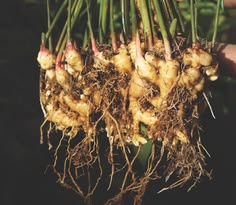
Zingiber officinale
A well-known plant used in food, beverages, and traditional practices.
 09
09
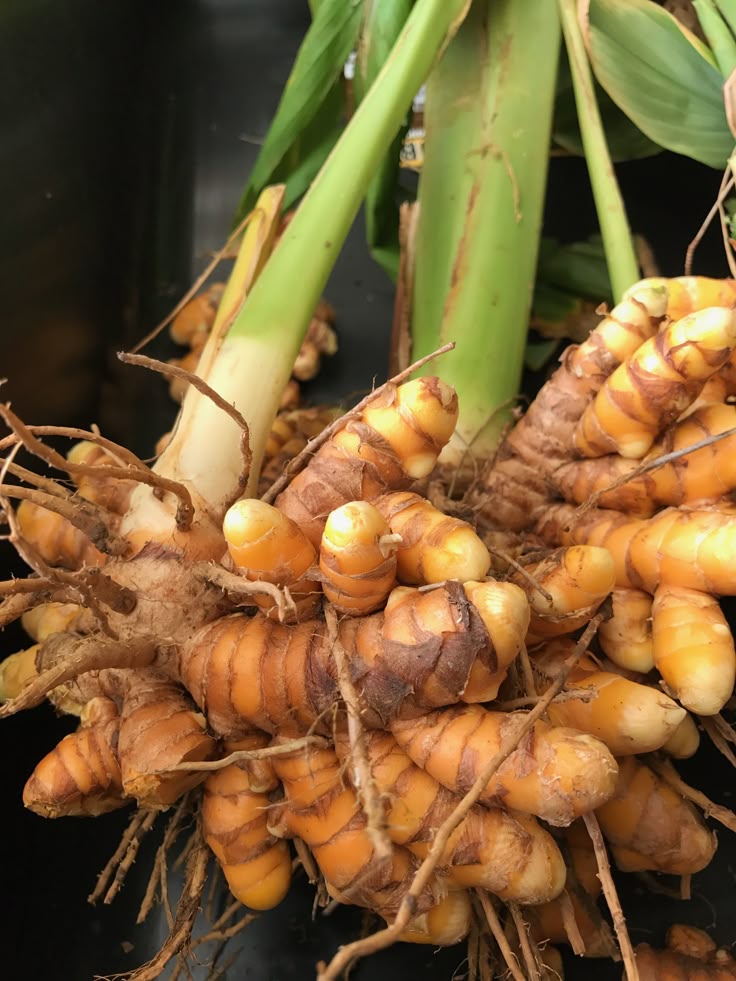
RHIZOME
Curcuma longa
A plant recognized by its distinctive yellow-orange rhizome.
03 — ABOUT THE PROJECT
GreenLife is a capstone project that combines web technology with Philippine botanical knowledge.
Its goal is to provide students with a visually engaging and educational way to discover plants and understand their place in Philippine culture and traditional practices.
BUILT FOR LEARNING · DESIGNED FOR DISCOVERY
IMPORTANT
GreenLife is an educational resource. Information about traditional plant uses should not be treated as medical advice or a substitute for consultation with a qualified healthcare professional.